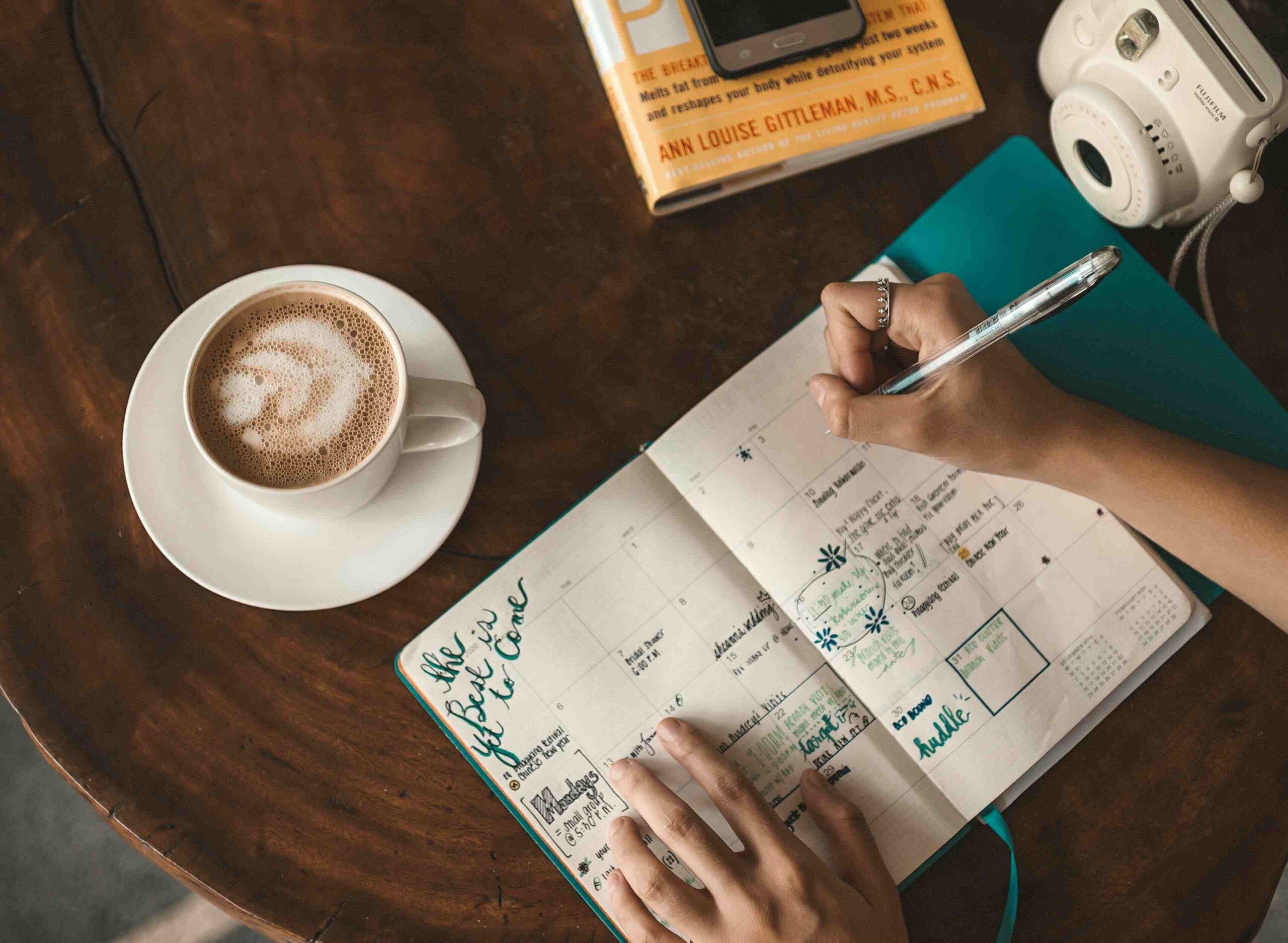
10 Daily Planner Hacks for a More Organized Life
Staying organized is one of the key factors in achieving both personal and professional success. A daily planner can be an essential tool to manage your time, track your goals, and improve productivity. However, simply having a planner is not enough; knowing how to use it effectively is the real game-changer. In this article, we will explore 10 daily planner hacks that will help you lead a more structured, stress-free, and productive life.

1. Start Your Day the Night Before
Planning the next day in advance can save you time and mental energy in the morning.
- Write down the top 3 priorities for the next day.
- Note any appointments or deadlines.
- Prepare your workspace and tools to avoid morning rush.
This simple habit allows you to wake up with clarity and direction, making your day more productive.
2. Time-Block Your Schedule
Time-blocking means dividing your day into specific time slots for each task.
- Assign 30–60 minutes for focused work.
- Allocate breaks between tasks.
- Include time for meals, exercise, and personal care.
Time-blocking helps you avoid multitasking and ensures that every task gets the attention it deserves.
3. Prioritize Using the “ABCDE” Method
Not all tasks are equally important. Use the ABCDE prioritization technique:
- A: Must-do tasks
- B: Important but not urgent
- C: Nice-to-do tasks
- D: Delegate to others
- E: Eliminate unnecessary tasks
This method ensures that you focus on high-impact activities first and avoid wasting time on low-priority tasks.
4. Use Color Coding for Visual Clarity
Colors make your planner easy to scan and can help you categorize tasks:
- Blue: Work-related tasks
- Green: Personal goals
- Yellow: Appointments
- Red: Deadlines
Color coding provides a quick visual overview of your day and makes planning more enjoyable.
5. Incorporate a “Theme Day” Approach
Assign a specific theme or focus for each day to enhance productivity:
- Monday: Planning & strategy
- Tuesday: Creative work
- Wednesday: Meetings & calls
- Thursday: Content creation
- Friday: Review & wrap-up
This method reduces decision fatigue and allows you to concentrate on similar types of tasks together.
6. Track Habits and Progress
Your daily planner can also serve as a habit tracker:
- Include small daily goals like drinking water, exercising, or reading.
- Mark each completed habit with a check or color.
- Review your weekly progress to stay motivated.
Tracking habits visually can help build consistency and accountability.
7. Include a “Buffer Zone”
Unexpected events or tasks can disrupt your schedule. Always leave a 15–30 minute buffer in your planner.
- Handle small emergencies without stress.
- Avoid back-to-back tasks that lead to burnout.
- Maintain flexibility in your daily plan.
This ensures that you can adapt without losing focus on priorities.
8. Set Realistic Goals
Avoid overloading your planner. Set achievable and measurable goals for each day:
- Break large projects into smaller tasks.
- Limit daily tasks to a reasonable number.
- Focus on completion over perfection.
This approach prevents overwhelm and makes your daily planning more effective and motivating.
9. Review and Reflect Daily
At the end of each day, spend a few minutes reviewing:
- Tasks completed
- Pending tasks
- Lessons learned and improvements
Reflection allows you to adjust your planning style, identify productivity patterns, and continuously improve your organization skills.
10. Make Your Planner a Habit
A planner only works if you use it consistently.
- Keep it accessible at all times.
- Make it part of your morning or evening routine.
- Experiment with digital or paper planners to find what works best.
Consistency will turn your daily planning into a powerful productivity habit that transforms your life over time.
Extra Tips to Enhance Your Daily Planner
- Combine with Pomodoro Technique: Allocate focused work intervals in your planner.
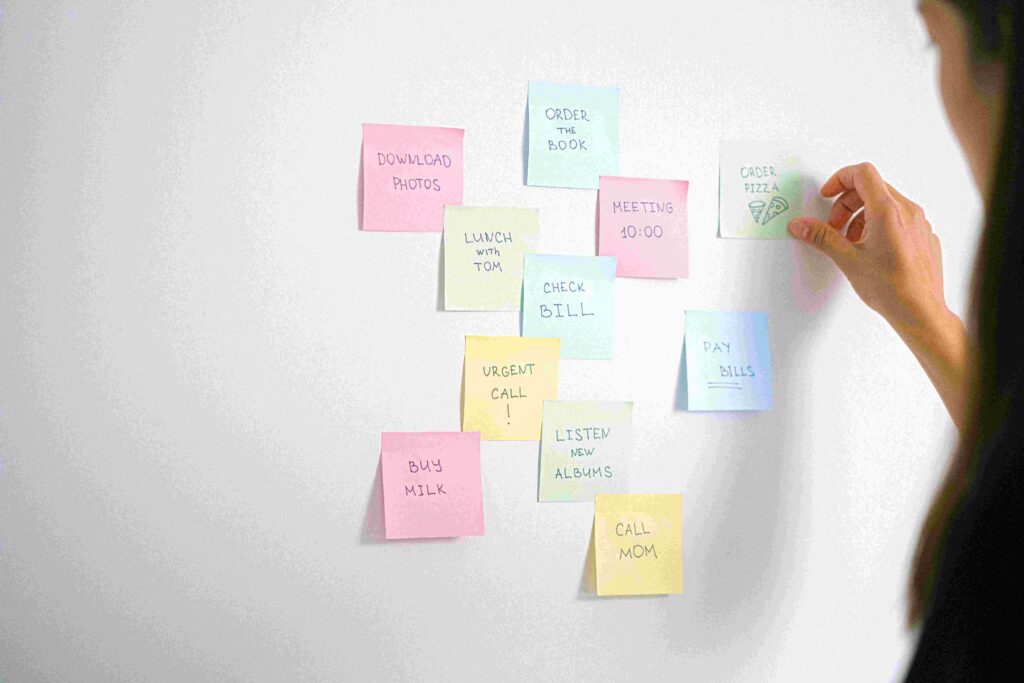
- Use sticky notes for flexible tasks: Great for tasks that shift daily.
- Highlight urgent deadlines: Red or bold markers work best.
- Include motivational quotes: Keeps you inspired and positive.
Using these 10 daily planner hacks, you can organize your life better, stay focused, and make the most of every day. With practice, your planner becomes more than just a schedule—it becomes a powerful tool for achieving your goals.
Read More: Master Your Time: 5 Pomodoro Techniques That Actually Work
Conclusion
A daily planner is more than just a notebook—it’s a powerful tool to take control of your time, tasks, and life. By implementing these 10 planner hacks, you can stay organized, prioritize effectively, and build habits that lead to long-term success.
From planning the night before to incorporating reflection, color coding, and habit tracking, each strategy is designed to reduce stress, improve focus, and boost productivity. The key is consistency—make your planner a daily habit, experiment with techniques, and adapt them to fit your personal workflow.
With a well-structured planner and these actionable hacks, you can transform chaotic days into productive, organized, and stress-free ones, ensuring that every moment is spent wisely toward achieving your goals.
Frequently Asked Questions (FAQs)
1. Why should I use a daily planner?
Using a daily planner helps you organize your tasks, prioritize effectively, and stay focused. It reduces stress and ensures that important goals are not forgotten.
2. How often should I update my planner?
Update your planner daily, ideally the night before or first thing in the morning. Frequent updates help you stay on track and adapt to changes.
3. Should I use a paper or digital planner?
Both work, depending on your preference:
- Paper planner: Helps with memory retention and reduces screen time
- Digital planner: Easy to edit, set reminders, and sync across devices
4. Can a planner improve productivity?
Yes! A well-used planner helps you prioritize tasks, reduce distractions, and manage time effectively, leading to better productivity and focus.
5. What is the best time to plan my day?
The best time is either:
- The night before: Prepares you for the next day
- Early morning: Helps set priorities and focus on high-impact tasks
6. How do I track habits in my planner?
- Create a small section for daily habits like exercise, reading, or hydration
- Use checkmarks, symbols, or color codes to mark completion
- Review weekly to track progress and stay motivated
7. How many tasks should I write in a day?
Focus on 5–8 meaningful tasks per day. Overloading your planner can lead to stress and reduce efficiency.
8. Can I combine planner hacks with other productivity methods?
Absolutely! Combining your planner with techniques like Pomodoro, time-blocking, or task batching can further improve focus and efficiency.
9. What if I miss tasks in my planner?
It’s normal. Simply reschedule or move the task to the next day. Reflection and adjustment are key parts of effective planning.
10. How long does it take to form a planner habit?
Consistency is key. Most people take 21–30 days of daily use to make planning a natural habit that improves overall organization and productivity.
For more time management tips, visit: Pinoyfilms.online